Donate for the Poorest Students

You can support for the poorest students. Copy the link in your browser & Donate as small as possible.. https://www.paypal.com/donate/?hosted_button_id=R3MNE48JU7KGL

Tuesday, 11 July 2023

Screw Conveyor Design Calculator:Calculators for Students, Engineers & Researchers:free Online Tool:

Definition: A screw conveyor is a mechanical device used to transport bulk materials through a trough by the rotation of a helical screw blade. Key parameters in screw conveyor design include:Key Parameters: Diameter (inches): The diameter of the screw conveyor's trough. (e.g., 12 inches);Pitch (inches): The axial distance between consecutive turns of the screw blade. (e.g., 6 inches)Length (feet): The overall length of the screw conveyor. (e.g., 20 feet);Speed (RPM): The rotational speed of the screw shaft. (e.g., 50 RPM).
Click the Translate button(see right) on this post to set your Own Language to understand more perfectly!!
Screw Conveyor Design Calculator

Screw Conveyor Design Calculator

Flash Point Calculator

Flash Point Calculator

Result

Liquid Name:

Flash Point: °C

Flammability:

Steam Trap Efficiency Calculator

Steam Trap Efficiency Calculator

Definition Continue: How to Trap Steam
A steam trap is a device used in steam systems to automatically remove condensate (water formed from condensed steam) while preventing the escape of steam. This is crucial for maintaining system efficiency and preventing damage.
Key Components of a Steam Trap:
Inlet: Where steam and condensate enter the trap.
Outlet: Where condensate exits the trap.
Valve: Controls the flow of condensate and steam.
Sensing Element: Detects the difference between steam and condensate.
Types of Steam Traps:
Thermodynamic Traps: Utilize the difference in physical properties between steam and condensate (e.g., velocity, pressure).
Thermostatic Traps: Rely on the temperature difference between steam and condensate.
Mechanical Traps: Use a float or bucket mechanism to differentiate between steam and condensate.
Steam Trap Efficiency
Steam trap efficiency is a measure of how well a steam trap performs its intended function of removing condensate while minimizing steam loss.
Steam TrapCapacity (lb/hr): The maximum amount of condensate a steam trap can handle per hour without causing backup or flooding.
Steam Trap Loss (lb/hr): The amount of steam unintentionally discharged by the steam trap.
A higher steam trap capacity and lower steam trap loss indicate a more efficient steam trap.
Factors Affecting Steam Trap Efficiency:
Correct Trap Selection: Choosing the right type of steam trap for the specific application.
Proper Installation: Ensuring correct orientation and piping.
Regular Maintenance: Periodic inspection and cleaning to prevent malfunctions.
Load Variations: Fluctuations in steam demand can impact efficiency.
Note: To calculate steam trap efficiency, you would typically compare the actual condensate handled to the theoretical capacity and the actual steam loss to the total steam used.
I believe there might be a misunderstanding. The previous response about liquid names, flash points, and flammability is not directly related to steam traps. If you have any other questions about steam traps or their applications, feel free to ask.
Would you like to delve deeper into a specific aspect of steam traps, such as sizing, selection, or troubleshooting?
Let's Dive Deeper into Steam Traps
Steam Trap Sizing
Steam trap sizing is critical to ensure optimal performance and prevent issues like water hammer, steam loss, and condensate backup.
Key factors influencing steam trap size:
Condensate load: The amount of condensate to be removed.
Steam pressure: The operating pressure of the steam system.
Steam temperature: The temperature of the steam.
Trap type: Different trap types have varying capacities.
Installation location: The position of the trap in the steam system.
Sizing methods:
Manufacturer's guidelines: Most steam trap manufacturers provide sizing charts and calculators based on their product range.
Calculation-based methods: Involve using formulas to determine the required trap capacity based on factors like condensate load and steam conditions.
Example:
To size a steam trap for a heat exchanger, you would calculate the expected condensate load based on the heat transfer rate and steam conditions. Then, you would use the manufacturer's sizing chart or a calculation method to determine the appropriate trap size.
Steam Trap Selection
Steam trap selection involves choosing the right type of trap for a specific application based on factors like:
Condensate characteristics: Temperature, purity, and volume.
Steam conditions: Pressure, temperature, and quality.
Installation location: Accessibility, orientation, and piping configuration.
Operating environment: Temperature, pressure, and corrosive conditions.
Common types of steam traps:
Thermodynamic traps: Suitable for general-purpose applications.
Thermostatic traps: Used for applications with fluctuating loads.
Mechanical traps: Best for handling large amounts of condensate or dirty conditions.  
Example:
For a steam-heated tank with intermittent steam demand, a thermostatic trap might be suitable due to its ability to handle load variations.
Steam Trap Troubleshooting
Steam trap troubleshooting involves identifying and resolving issues that prevent optimal performance.
Common problems:
Trap failure: Malfunction of the trap's internal components.
Clogging: Blockage of the trap's orifice by dirt or scale.  
Erosion: Wear of internal components due to high-velocity condensate.
Steam leakage: Loss of steam due to a faulty valve or sensing element.
Troubleshooting methods:
Visual inspection: Checking for signs of leakage, damage, or foreign objects.
Temperature measurement: Comparing inlet and outlet temperatures to determine trap status.
Acoustic inspection: Listening for abnormal sounds indicating problems.
Ultrasonic inspection: Detecting steam leaks using ultrasonic technology.  
Example:
If a steam trap is suspected of leaking steam, an ultrasonic inspection can be used to pinpoint the leak source.
How is it possible to earn money using the knowledge of  Steam Trap Calculation in real-life applications??????
Earning Money with Steam Trap Knowledge
Understanding steam trap calculations and applications can lead to significant cost savings and efficiency improvements in various industries. Here's how this knowledge can be monetized:
1. Energy Management and Consulting:
Energy Audits: Identify inefficiencies in steam systems through steam trap assessments.
Cost-Saving Recommendations: Propose solutions to reduce energy consumption and operating costs.
Implementation Support: Assist in the installation and maintenance of optimized steam trap systems.
2. Steam System Design and Optimization:
Design and Installation: Create efficient steam systems by selecting and sizing appropriate steam traps.
System Upgrades: Improve existing systems through steam trap modifications or replacements.
Performance Analysis: Evaluate steam system performance and identify areas for improvement.
3. Maintenance and Repair Services:
Steam Trap Inspection and Maintenance: Offer regular inspection and maintenance services to prevent failures.
Troubleshooting and Repair: Diagnose and fix steam trap issues to restore system efficiency.
Replacement Services: Provide replacement steam traps when necessary.
4. Training and Education:
Workshops and Seminars: Conduct training programs on steam trap selection, installation, and maintenance.
Online Courses: Develop online training modules for a wider audience.
Technical Publications: Write articles or books on steam trap technology.
5. Product Development and Sales:
Steam Trap Design: Develop innovative steam trap designs to improve efficiency and reliability.
Product Sales: Sell steam traps and related products to industrial customers.
After-Sales Support: Provide technical support and maintenance services for sold products.
6. Research and Development:
New Steam Trap Technologies: Develop advanced steam trap designs and materials.
Performance Testing: Conduct research to improve steam trap efficiency and reliability.
By combining technical expertise with a strong understanding of industrial needs, professionals can build successful careers in the steam system optimization field.
Would you like to focus on a specific area or industry where steam trap knowledge can be applied?
Do YOU Want To Earn Money In Various Ways, Click The Link & Explore Your Field of Interest!!!
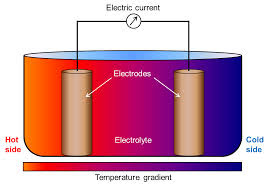
Electrolyte Solution Properties Calculator:Calculators for Students, Engineers & Researchers:free Online Tool:

Definition: Electrolyte solutions exhibit unique properties due to the presence of ions. These properties are influenced by both concentration and temperature.
Click the Translate button(see right) on this post to set your Own Language to understand more perfectly!!
Electrolyte Solution Properties Calculator

Electrolyte Solution Properties Calculator

Properties:

Definition Continue: Electrolyte Solution Properties
Key Factors:
Concentration (mol/L): The amount of solute (electrolyte) dissolved in a specific volume of solution, measured in moles per liter.  
Temperature (°C): The temperature of the solution, measured in degrees Celsius.
Sample Values:
Concentration: 0.1 mol/L
Temperature: 25°C
Electrolyte Solution Properties:
Electrolyte solutions exhibit unique properties due to the presence of ions. These properties are influenced by both concentration and temperature.
Colligative Properties:
Vapor pressure lowering: The vapor pressure of a solution is lower than that of the pure solvent.  
Boiling point elevation: The boiling point of a solution is higher than that of the pure solvent.  
Freezing point depression: The freezing point of a solution is lower than that of the pure solvent.
 
Osmotic pressure: The pressure required to prevent the flow of solvent across a semipermeable membrane.  
Conductivity: Electrolyte solutions conduct electricity due to the presence of ions.  
pH: Electrolyte solutions can be acidic, basic, or neutral, depending on the nature of the dissolved ions.
Calculation Example:
Calculating the boiling point elevation of a solution requires the following equation:
ΔTb = Kb * m Where:
ΔTb is the boiling point elevation
Kb is the molal boiling point elevation constant for the solvent
 
m is the molality of the solution
For example, for a 0.1 molal aqueous solution of NaCl, the boiling point elevation would be:
ΔTb = 0.512 °C/m * 0.1 mol/kg = 0.0512 °C
The boiling point of the solution would be 100.0512 °C (assuming pure water boiling point is 100 °C).
Additional Considerations:
Ionization: The degree of ionization of an electrolyte affects its properties.
Interionic Attractions: Interactions between ions can influence solution behavior.
Activity Coefficients: To account for deviations from ideal behavior, activity coefficients can be introduced.
Diving Deeper: Colligative Properties and Their Impact
Colligative Properties and Their Equations
Colligative properties are those properties of a solution that depend on the number of solute particles present, rather than the nature of the solute. These properties include:
Vapor Pressure Lowering:
Raoult's Law: P_solution = X_solvent * P_solvent_pure
Where: P_solution is the vapor pressure of the solution, X_solvent is the mole fraction of the solvent, and P_solvent_pure is the vapor pressure of the pure solvent.  
Boiling Point Elevation:
ΔTb = Kb * m
Where: ΔTb is the boiling point elevation, Kb is the molal boiling point elevation constant, and m is the molality of the solution.
 
Freezing Point Depression:
ΔTf = Kf * m
Where: ΔTf is the freezing point depression, Kf is the molal freezing point depression constant, and m is the molality of the solution.
 
Osmotic Pressure:
π = MRT
Where: π is the osmotic pressure, M is the molarity of the solution, R is the ideal gas constant, and T is the absolute temperature.  
Impact of Concentration and Temperature
Concentration: As the concentration of a solute increases, the colligative properties also increase. This is evident in the equations above, where the properties are directly proportional to the molality or molarity of the solution.
Temperature: While concentration directly affects colligative properties, temperature primarily influences the solvent's properties (vapor pressure, boiling point, freezing point). For instance, an increase in temperature generally increases vapor pressure and boiling point, but its impact on colligative properties is indirect through its effect on the solvent.
Example: Vapor Pressure Lowering
Calculate the vapor pressure of a solution containing 58.5 grams of NaCl in 1000 grams of water at 25°C. The vapor pressure of pure water at 25°C is 23.76 Torr.
Calculate the molality of NaCl:
Moles of NaCl = 58.5 g / 58.44 g/mol = 1 mol
Molality = 1 mol / 1 kg = 1 mol/kg
Calculate the mole fraction of water:
Moles of water = 1000 g / 18.015 g/mol = 55.51 mol
Mole fraction of water (X_water) = 55.51 / (55.51 + 1) = 0.982
Calculate the vapor pressure of the solution:
P_solution = 0.982 * 23.76 Torr = 23.31 Torr

How To Earn From The Electrolyte Solution Properties Calculation in our real life application????

:
Monetizing Electrolyte Solution Properties Knowledge
Understanding electrolyte solution properties is essential in various industries. Here's how this knowledge can be monetized:
Consulting Services
Process Optimization: Help industries optimize processes involving electrolyte solutions by improving efficiency and reducing costs.
Product Development: Assist in developing new products or formulations that utilize electrolyte solutions.
Quality Control: Provide expertise in quality control and testing of electrolyte-based products.
Research and Development
New Electrolyte Development: Research and develop novel electrolyte solutions with specific properties.
Material Science: Explore new materials and their applications in electrolyte systems.
Education and Training
Workshops and Seminars: Conduct training programs on electrolyte solutions and their properties.
Online Courses: Develop online courses on electrochemistry and solution chemistry.
Other Avenues
Expert Witness: Provide expert testimony in legal cases involving electrolyte solutions.
Technical Writing: Author articles, papers, or books on electrolyte solution properties and applications.
Key to Success:
Deep understanding of chemistry, physics, and engineering principles related to electrolyte solutions.
Proficiency in using laboratory equipment and analytical techniques.
Ability to communicate complex scientific concepts to a diverse audience.
Networking with researchers, engineers, and industry professionals.
By effectively applying your knowledge of electrolyte solution properties, you can create value for various industries and generate income through different avenues.
Do YOU Want To Earn Money In Various Ways, Click The Link & Explore Your Field of Interest!!!
Activated Carbon Adsorption Calculator:Calculators for Students, Engineers & Researchers:free Online Tool:

Definition: Activated carbon adsorption is a process where impurities (like organic compounds, odors, and colors) are removed from a fluid (liquid or gas) by passing it through a bed of activated carbon.
Click the Translate button(see right) on this post to set your Own Language to understand more perfectly!!
Activated Carbon Adsorption Calculator

Activated Carbon Adsorption Calculator

Definition Continue: Activated Carbon Adsorption
Activated carbon adsorption is a process where impurities (like organic compounds, odors, and colors) are removed from a fluid (liquid or gas) by passing it through a bed of activated carbon.  
Key Factors:
Applied Flow Rate (L/min): The volume of fluid passing through the activated carbon bed per minute.
Influent Concentration (mg/L): The concentration of the target pollutant in the fluid entering the adsorption system.
Effluent Concentration (mg/L): The concentration of the target pollutant in the fluid leaving the adsorption system.
Adsorption Capacity (mg/g): The maximum amount of pollutant that can be adsorbed by one gram of activated carbon.
Contact Time (min): The time the fluid spends in contact with the activated carbon bed.
Sample Values:
Applied Flow Rate: 100 L/min
Influent Concentration: 50 mg/L
Effluent Concentration: 5 mg/L
Adsorption Capacity: 200 mg/g
Contact Time: 5 minutes
Calculation Example:
Calculating Adsorption Efficiency:
Adsorption Efficiency = [(Influent Concentration - Effluent Concentration) / Influent Concentration] * 100
Adsorption Efficiency = [(50 mg/L - 5 mg/L) / 50 mg/L] * 100 = 90%
Estimating Required Activated Carbon:
Assuming complete bed utilization (which is often not the case in real-world applications):
Mass of pollutant removed per minute = Flow rate * (Influent Concentration - Effluent Concentration)
Mass of pollutant removed per minute = 100 L/min * (50 mg/L - 5 mg/L) = 4500 mg/min
Activated carbon required per minute = Mass of pollutant removed per minute / Adsorption Capacity
Activated carbon required per minute = 4500 mg/min / 200 mg/g = 22.5 g/min
Note: This is a simplified calculation. Actual design considers factors like breakthrough curves, bed life, and regeneration cycles.
Additional Considerations:
Activated Carbon Type: Different types of activated carbon have varying adsorption capacities for different pollutants.
Temperature and Pressure: These factors affect adsorption efficiency.
Bed Depth: The thickness of the activated carbon bed influences contact time and adsorption capacity.
Regeneration: Activated carbon becomes saturated and needs regeneration (heating or chemical treatment) to restore its adsorption capacity.  
Potential Applications:
Water Treatment: Removing contaminants like organic matter, chlorine, and taste/odor compounds.
 
Air Pollution Control: Controlling emissions from industrial processes and vehicles.
Gold Recovery: Recovering gold from cyanide solutions.
Pharmaceutical Industry: Purifying drug intermediates and final products.
By understanding these factors and conducting proper design calculations, you can optimize activated carbon adsorption systems for specific applications.
Let's Delve Deeper into Activated Carbon Adsorption
Focusing on a Specific Application: Wastewater Treatment
Activated carbon adsorption is widely used in wastewater treatment to remove organic contaminants, color, taste, and odor. Let's explore this application in more detail
.
Key Factors in Wastewater Treatment:
Influent Characteristics: The nature of wastewater (domestic, industrial, or a combination) significantly impacts the type of activated carbon required and the adsorption process.
Contaminant Removal: Specific pollutants like volatile organic compounds (VOCs), pesticides, pharmaceuticals, and endocrine-disrupting compounds (EDCs) have different adsorption capacities and require tailored carbon types.
Regeneration: Effective regeneration methods are crucial for extending the life of activated carbon and maintaining adsorption capacity.
Calculation Example:
Let's consider a wastewater treatment plant with the following parameters:
Influent flow rate: 1000 m³/h
Influent concentration of a specific organic pollutant: 20 mg/L
Desired effluent concentration: 0.5 mg/L
Adsorption capacity of the selected activated carbon: 300 mg/g
Calculations:
Mass of pollutant removed per hour: 1000 m³/h * (20 mg/L - 0.5 mg/L) * (1 kg/1000000 mg) = 19.5 kg/h
Activated carbon required per hour: 19.5 kg/h / 300 mg/g * (1000 g/kg) = 65 kg/h
Note: This is a simplified calculation. Actual design considers factors like bed depth, empty bed contact time, and carbon replacement frequency.
Additional Considerations:
Adsorption Isotherms: These models describe the relationship between the concentration of the pollutant in the liquid phase and the amount adsorbed onto the activated carbon.
Breakthrough Curves: These curves show the change in effluent concentration over time as the activated carbon bed becomes saturated.
Cost Analysis: The cost of activated carbon, regeneration, and disposal must be considered in the overall system design.
Let's Explore Activated Carbon in Air Pollution Control
Activated carbon is widely used in air pollution control to remove various gaseous and particulate pollutants.  
Key Factors in Air Pollution Control:
Gas Composition: The type of pollutants present in the gas stream (VOCs, odors, toxic gases) determines the type of activated carbon required.
Gas Flow Rate: The volume of gas passing through the carbon bed per unit time affects the size of the carbon bed and regeneration frequency.
Particle Size Distribution: For particulate matter removal, the efficiency of the carbon bed depends on the size of the particles.
Temperature and Pressure: These factors influence the adsorption capacity of the carbon.  
Regeneration: Effective regeneration is crucial for maintaining the carbon's adsorption capacity.
 
Calculation Example:
Let's consider a gas stream containing VOCs with the following parameters:
Gas flow rate: 1000 m³/h
Influent VOC concentration: 50 ppm
Desired effluent VOC concentration: 5 ppm
Adsorption capacity of the selected activated carbon: 300 g VOC/kg carbon
Calculations:
Mass of VOCs removed per hour: 1000 m³/h * (50 ppm - 5 ppm) * (1 kg/1000000 ppm) = 4.5 kg/h
Activated carbon required per hour: 4.5 kg VOC/h / 300 g VOC/kg carbon * (1000 g/kg) = 15 kg/h
Note: This is a simplified calculation. Actual design considers factors like bed depth, empty bed contact time, and carbon replacement frequency.
Additional Considerations:
Adsorption Isotherms: These models help predict the adsorption capacity of the carbon under different conditions.
Breakthrough Curves: Monitoring the effluent concentration over time helps determine the carbon bed life.
Regeneration Methods: Thermal or steam regeneration are common methods for reactivating carbon.
Carbon Loss: During regeneration, some carbon is lost, which needs to be accounted for in the design.
Activated Carbon in Gold Recovery
Activated carbon is a crucial component in the gold recovery process, particularly from cyanide solutions.
Key Factors in Gold Recovery:
Gold Concentration: The amount of gold present in the solution determines the required amount of activated carbon.
Cyanide Concentration: The concentration of cyanide affects the adsorption of gold onto the carbon.
Carbon Type: Specific activated carbons with high adsorption capacity for gold are used in this process.
Contact Time: The time required for gold to adsorb onto the carbon.
Desorption: The process of recovering gold from the saturated carbon involves using strong solvents or heat.
Calculation Example:
While specific calculations for gold recovery can be complex, we can outline the general approach.
Determine gold loading on the carbon: This involves laboratory tests to establish the maximum amount of gold that can be adsorbed per gram of carbon under specific conditions.
Calculate carbon requirement: Based on the gold concentration in the solution and the desired recovery efficiency, the amount of carbon needed can be estimated.
Design the adsorption column: The dimensions of the column, flow rate, and contact time are determined based on the calculated carbon requirement and process parameters.
Additional Considerations:
Carbon Regeneration: After the carbon becomes saturated with gold, it needs to be regenerated to recover the gold and reuse the carbon.
Gold Recovery Process: The recovered gold is further processed to obtain pure gold.
Environmental Impact: The use of cyanide in gold recovery requires careful management and disposal.

How is it possible to Earn Money using the knowledge of Activated Carbon Adsorption Calculation in our practical life?????

Monetizing Activated Carbon Adsorption Knowledge
Understanding activated carbon adsorption is crucial in various industries. Here's how this knowledge can be monetized:
Consulting Services
Environmental Consultant: Offer expertise in designing and optimizing activated carbon systems for wastewater treatment, air pollution control, and other applications.
Process Optimization: Help industries improve the efficiency of their activated carbon systems by analyzing performance data, identifying bottlenecks, and recommending improvements.
Product Development and Sales
Activated Carbon Manufacturer: Develop new types of activated carbon with enhanced adsorption properties for specific applications.
Adsorption Equipment Manufacturer: Design and manufacture activated carbon-based systems for various industries.
Regeneration Technology Developer: Create innovative methods for regenerating activated carbon to extend its lifespan and reduce costs.
Research and Development
Research Scientist: Conduct research to improve the understanding of adsorption mechanisms and develop new adsorption materials.
Patent Development: Develop and patent new adsorption technologies or processes.
Education and Training
Training and Workshops: Offer training programs on activated carbon adsorption for engineers, operators, and technicians.
Online Courses: Develop online courses on activated carbon adsorption principles and applications.
Other Avenues
Expert Witness: Provide expert testimony in legal cases involving activated carbon technology.
Technical Writing: Write articles, papers, or books on activated carbon adsorption for technical publications.
Key to success:
Deep understanding of adsorption principles and practical applications.
Strong problem-solving and analytical skills.
Ability to communicate complex technical information to a diverse audience.
Networking with industry professionals and staying updated on the latest advancements.
By leveraging your knowledge of activated carbon adsorption, you can create value for industries and generate income through various avenues.
Do YOU Want To Earn Money In Various Ways, Click The Link & Explore Your Field of Interest!!!

Acid Dissociation Constant Calculator:Engineering & Science Calculators: Free Online Tools

Definition:Acid Dissociation Constant (Ka) is a quantitative measure of the strength of an acid in solution. It is the equilibrium constant for the dissociation reaction of an acid into its conjugate base and a hydrogen ion (H+).
Click the Translate button(see right) on this post to set your Own Language to understand more perfectly!!
Acid Dissociation Constant Calculator

Acid Dissociation Constant Calculator

Definition Continue: Acid Dissociation Constant (Ka)
Acid Dissociation Constant (Ka) is a quantitative measure of the strength of an acid in solution. It is the equilibrium constant for the dissociation reaction of an acid into its conjugate base and a hydrogen ion (H+).  
Key Factors:
Acid Concentration (mol/L): The molarity of the acid solution, representing the number of moles of acid per liter of solution. (e.g., 0.1 M acetic acid)
Concentration of Ions (mol/L): The molarity of the dissociated ions, specifically the hydrogen ion (H+) and the conjugate base concentration. (e.g., [H+] = 1.34 x 10^-3 M)
The Dissociation Equation:
For a generic weak acid, HA:
HA <=> H+ + A-
The acid dissociation constant, Ka, is expressed as:
Ka = [H+][A-] / [HA]
where:
[H+] is the concentration of hydrogen ions
[A-] is the concentration of the conjugate base
[HA] is the concentration of the undissociated acid
Example Calculation:
Let's calculate the Ka for acetic acid (CH3COOH) given the following information:
Initial concentration of acetic acid = 0.1 M
Equilibrium concentration of H+ = 1.34 x 10^-3 M
Since acetic acid is a monoprotic acid, [H+] = [A-]
Ka = (1.34 x 10^-3 M) * (1.34 x 10^-3 M) / (0.1 M - 1.34 x 10^-3 M)≈ 1.8 x 10^-5
Note:
The equation you provided (kw = acidConcentration * ionConcentration) is incorrect. Kw is the ion product of water and is used in different contexts, primarily for calculating pH and pOH.
The calculation of Ka often involves simplifying assumptions, such as assuming that the change in acid concentration is negligible compared to the initial concentration.
For weak acids, Ka values are typically small, indicating a low degree of dissociation.  
Stronger acids have larger Ka values, indicating a higher degree of dissociation.  
Additional Considerations:
Temperature: Ka values are temperature-dependent.
Ionic Strength: High ionic strength can affect Ka values due to the influence of other ions on the solution.  
Activity Coefficients: For more accurate calculations, activity coefficients can be introduced to account for deviations from ideal behavior.
By understanding the concept of Ka and its calculation, you can assess the strength of acids and make predictions about their behavior in solution.
The Acid Dissociation Constant (Ka) is a quantitative measure of an acid's strength in a solution, representing the equilibrium constant for the acid's dissociation with water to form hydronium ions (H3O+) and its conjugate base. The formula for Ka is:
𝐾𝑎=[𝐻3𝑂+][𝐴−][𝐻𝐴]
Ka= [HA][H3O + ][A − ]​
Where:[𝐻3𝑂+] is the concentration of hydronium ions,
[𝐴−] is the concentration of the conjugate base,
[HA] is the concentration of the undissociated acid.
Solvent Effects on Ka
The choice of solvent significantly affects the Ka value. Generally:
Polar solvents (like water) enhance acid dissociation, resulting in higher Ka values.
Non-polar solvents decrease acid dissociation, leading to lower Ka values.
Examples with Acetic Acid (CH3COOH)
Water: Acetic acid dissociates well, with a Ka of approximately 1.8×10⁻⁵
.
Ethanol: As a less polar solvent, ethanol results in a lower Ka for acetic acid compared to water.
Acetone: Being even less polar than ethanol, acetone further reduces acetic acid dissociation, resulting in a significantly lower Ka.
Factors Affecting Ka in Different Solvents
Dielectric Constant: Higher values favor ion solvation, increasing Ka.
Solvent Polarity: Polar solvents generally yield higher Ka than non-polar ones.
Solvent Basicity: Basic solvents may react with the acid, affecting its dissociation.
Temperature: Changes can influence the equilibrium constant and thus the Ka value.
Practical Implications
Understanding how solvents affect Ka is important in fields such as:
Chemistry: For selecting solvents in acid-base reactions, titrations, or extractions.
Pharmacology: To determine drug solubility and bioavailability in different environments.
Environmental Science: To evaluate how acids behave under various environmental conditions.
How is it possible to earn money using the knowledge of  Acid Dissociation Constant Calculation in real-life applications??????
Understanding acid dissociation constants (Ka) can lead to various career opportunities in several industries. Here’s a concise overview of how this knowledge can be applied:
1. **Chemical Industry**:
- **Process Optimization**: Use Ka to improve reaction yields and efficiency.
- **Product Development**: Involves selecting reactants and controlling conditions for acid-base reactions.
- **Quality Control**: Maintain optimal pH levels for product quality.
2. **Pharmaceutical Industry**:
- **Drug Development**: Formulate drugs and predict solubility based on their acid-base properties.
- **Drug Stability**: Develop methods to stabilize drugs using Ka values.
3. **Environmental Science**:
- **Water Treatment**: Determine water acidity and select treatment methods.
- **Soil Remediation**: Use Ka in developing strategies to fix soil pollution.
4. **Food and Beverage Industry**:
- **Food Processing**: Control pH to enhance flavor and prevent spoilage.
- **Beverage Production**: Optimize stability and taste through pH control.
5. **Academia and Research**:
- **Teaching and Research**: Opportunities in universities that involve Ka calculations.
- **Consulting**: Provide expertise in acid-base chemistry to different industries.
6. **Analytical Chemistry**:
- **Quality Control**: Utilize Ka for techniques like titrations and pH testing.
- **Method Development**: Create new analytical methods based on acid-base equilibria.
In summary, mastering acid dissociation constants offers a strong foundation for various chemistry-related careers, enabling contributions to innovation and quality across multiple sectors.
Do YOU Want To Earn Money In Various Ways, Click The Link & Explore Your Field of Interest!!!

Hydraulic Sluice Gate Calculator & Flow Analyzer | Prof. Engr. Md. Sahidul Islam

Hydraulic Sluice Gate Calculator & Flow Analyzer | Engr. Md. Sahidul Islam ...